
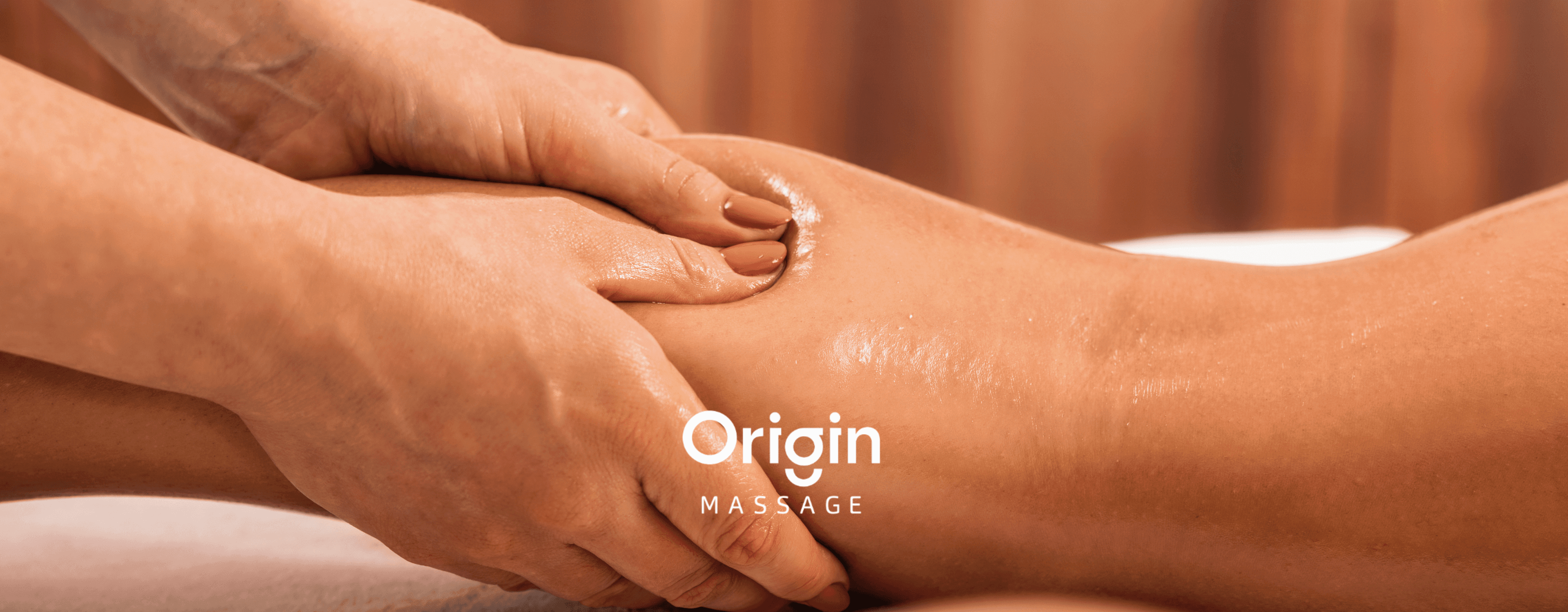
Lymphatic Drainage for Legs – Gentle Relief for Swelling
Tired, swollen, or heavy legs? Lymphatic drainage is a gentle therapy that helps move trapped fluid, stimulates circulation, and relieves tension in the tissues. Learn when the treatment makes sense, how it works, and how you can support your lymph flow naturally.
Swollen legs, a feeling of heaviness, or tension after a long day are common complaints for many people. In such cases, lymphatic drainage for the legs can help improve lymph circulation, remove accumulated fluid, and enhance overall well-being. But what exactly is behind this gentle technique – and when does it make sense to use it?
What is Lymphatic Drainage?
Lymphatic drainage is a special type of massage designed to stimulate the flow of lymph in the body. Using gentle pressure, circular movements, and rhythmic techniques such as the pump grip, rotating grip, and stationary circles, the lymphatic pathways are activated.
This helps move the lymphatic fluid that has accumulated in the tissue toward the lymph vessels, where it is transported further through the lymphatic system.
These techniques of lymphatic drainage were originally developed by Dr. Emil Vodder and are now highly valued in both medicine and wellness. They serve both therapeutic and preventive purposes.
Would you like to learn more about lymphatic drainage? Read this blog article to discover the background and effects of lymphatic drainage.

When Should Lymphatic Drainage for the Legs Be Performed?
Lymphatic drainage for the legs is especially recommended when swelling occurs – for example, after injuries, surgeries, or illnesses such as lymphedema.
It can also help relieve chronic conditions, lipedema, or swelling caused by long periods of standing or sitting by stimulating lymph flow and easing the tissue.
Typical symptoms such as swelling and pain in the legs often occur when the lymph can no longer circulate freely. This can result from an injury, lack of movement, or a chronically impaired lymphatic circulation.
In these cases, lymphatic drainage can help move fluid out of the tissue and support its transport through the lymphatic vessels.
What Are the Benefits of Lymphatic Drainage for the Legs?
Lymphatic drainage is an effective method to reduce swelling, support healing, and relieve pain.
Key benefits include:
-
Promotes natural lymph flow
-
Relieves fluid congestion
-
Improves blood circulation
-
Supports recovery after injuries or surgeries
-
Eases tension and pain
-
Feels soothing and relaxing for body and mind
In combination with other therapies or treatments, the effectiveness can be significantly increased.
Many clients find the treatment gentle and pleasant, often experiencing noticeable relief after just a few sessions.
How Often Should Lymphatic Drainage Be Performed?
The frequency depends on your individual needs and the type of condition being treated.
For acute swelling, daily or several weekly sessions may be useful, while for chronic complaints, one to two treatments per week may suffice.
If medically indicated (e.g. for lymphedema), many health insurance providers cover part of the cost – provided the treatment is prescribed by a doctor and performed by a qualified therapist according to an individual treatment plan.
What Are the Side Effects of Lymphatic Drainage?
Lymphatic drainage is very gentle and generally well tolerated.
However, there are a few contraindications where treatment should be avoided or only carried out after consulting a doctor.
These include acute infections, untreated thrombosis, heart failure, or fever. In such cases, stimulating the lymphatic system could increase the risk of complications.
Mild redness or a warm sensation after the session is normal and indicates that the lymphatic circulation has been activated.
Always inform your therapist about existing health conditions or medications to ensure the treatment is performed safely.

Can You Perform Lymphatic Drainage for the Legs Yourself?
Self-treatment is possible to a limited extent and can be helpful between professional sessions to stimulate lymph flow and reduce swelling.
The key is to apply very gentle pressure and avoid using too much force.
Here’s how you can support your lymph flow at home:
-
Elevate your legs to encourage the drainage of lymphatic fluid.
-
Using your thumb and forefinger, perform gentle circular movements or stationary circles from bottom to top – always following the lymph pathways.
-
Breathe calmly and evenly to further support lymph circulation.
This simple self-treatment does not replace a professional manual lymphatic drainage, but it can help relieve stagnation and ease tension in the legs.
How Can You Stimulate Lymph Flow in the Legs?
In addition to manual therapy, there are several everyday habits that can support lymphatic circulation:
-
Exercise: Walking, swimming, or light cycling stimulate the flow of lymph.
-
Compression stockings: Help the drainage of excess fluid from the tissue.
-
Skin care: Keep the skin supple to prevent irritation.
-
Contrast showers: Temperature changes activate the lymph vessels.
-
Gentle massages: Regular treatments by experienced therapists further enhance lymphatic circulation.
Even small lifestyle changes – like elevating your legs or avoiding long periods of sitting – can bring noticeable relief.
Lymphatic Drainage Device for the Legs – An Alternative?
A lymphatic drainage device for home use can be a useful addition to manual therapy but cannot fully replace it.
These devices use air pressure to mimic the movements of a gentle massage, promoting lymphatic circulation.
They are particularly beneficial for people with chronic conditions or when recommended by a healthcare professional.
Nevertheless, a device cannot substitute the expertise of a trained therapist.
Only through personalized manual lymphatic drainage can specific techniques be adapted to your individual needs, especially in cases of lymphedema or lipedema.

Does Manual Lymphatic Drainage Help with Lipedema?
Yes – especially in cases of lipedema, this technique can help reduce swelling and ease tension.
Many people living with this fat distribution disorder report significant relief after regular treatments.
The gentle stimulation of the lymphatic system supports the drainage of fluid from affected areas and can reduce pain.
Combined with exercise, healthy nutrition, and compression therapy, it can greatly improve overall quality of life.

Conclusion: Gentle Relief for Heavy Legs
Manual lymphatic drainage is highly effective for swollen legs, congestion, or lymphedema.
It not only visibly reduces swelling but also provides a sense of lightness and relaxation.
Whether manual or with a device – regular treatments under professional guidance help support lymph flow in the long term.
You can find more information about lymphatic drainage on our website.
If you are unsure which therapist is right for you, feel free to use our Find-your-therapist tool, which helps you find the ideal practitioner based on your needs.
We are recognized by supplementary health insurance providers, and no doctor’s referral is required.